Media companies teach you to think about the audience.
MTV and SonicNet sat at an interesting seam between established media and an internet that was still inventing its habits. The lesson was bigger than any one outlet: when distribution changes, storytelling starts changing with it.
The audience is not just “people watching.” It is people arriving with expectations about pace, voice, authenticity, music, visuals, personality, and what belongs on a particular platform.
The answers were mine. The episode belonged to television.
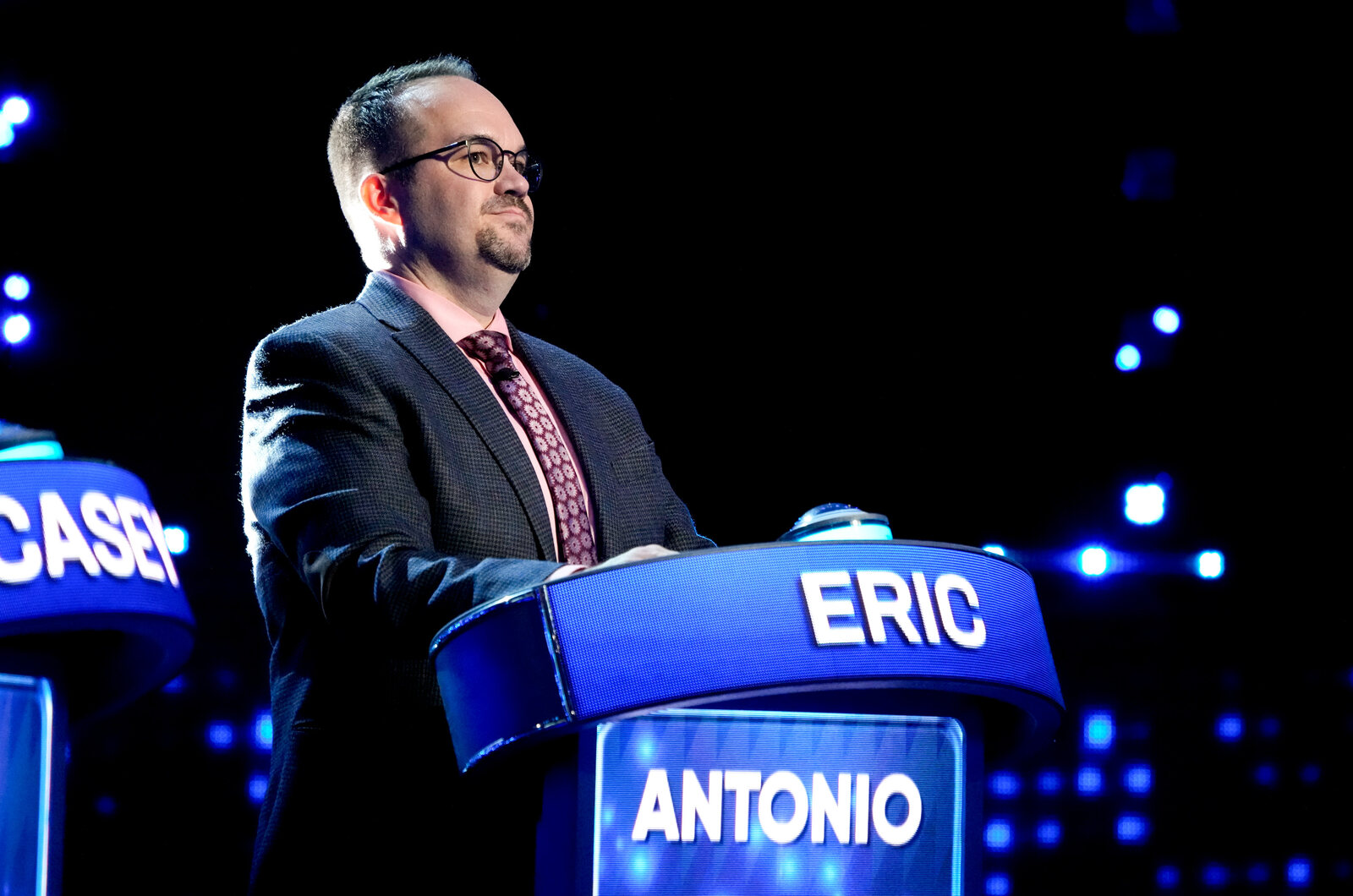
Appearing as a contestant on NBC’s Weakest Link gave me a different seat inside the machinery. I experienced the questions, votes, pauses, conversations, and long stretches between them. Viewers encountered a finished episode: a real competition shaped by casting, production, camera choices, pacing, music, and editing.
That does not make the episode false. It makes it constructed. Every television program has to decide what belongs, what moves the story forward, and what the audience needs to see next. “Unscripted” describes part of the process. It does not mean unframed.
Disney makes the environment part of the narrative.
Disney sharpened a different kind of attention. Story can live in architecture, signage, sound, costume, pacing, queues, sight lines, transitions, and tiny continuity details. The audience is not simply watching the world. It is moving through it.
That makes world-building useful far beyond entertainment. Every communicator creates some version of a world around the information: a studio set, a homepage, a classroom, a conference stage, a social profile, a graphic package.
Music reveals the power of identity and belonging.
Growing up around music made audience identity difficult to ignore. People do not only hear songs. They build memories, communities, taste, status, rebellion, nostalgia, and belonging around them. The same content can land differently depending on what the audience thinks it says about people like them.
That matters for media literacy because identity can become part of the evidence filter. We defend stories that feel like “ours” more readily than stories that feel like “theirs.”
The room changes. The mechanics travel.
Entertainment, journalism, education, advertising, and digital media use different standards and purposes, but the same audience mechanisms keep resurfacing: attention, trust, emotion, sequencing, identity, expectation, and context.
Once you recognize those mechanisms, moving between worlds becomes less about collecting résumé lines and more about recognizing the same storytelling levers in different rooms.